

“Becoming a founding donor to the Insurance Museum was an easy decision for us. Insurance has a remarkable story to tell - one that deserves to be preserved, shared, and used to inspire the next generation.”
Klaudia Sosnowska
Deputy CEO at Aspect


Underwrite the Future.
Join our sector-wide campaign to establish the Insurance Museum in London, EC3.
The global heartland of insurance.
A world-class cultural and educational destination. Free to enter. Open to everyone.
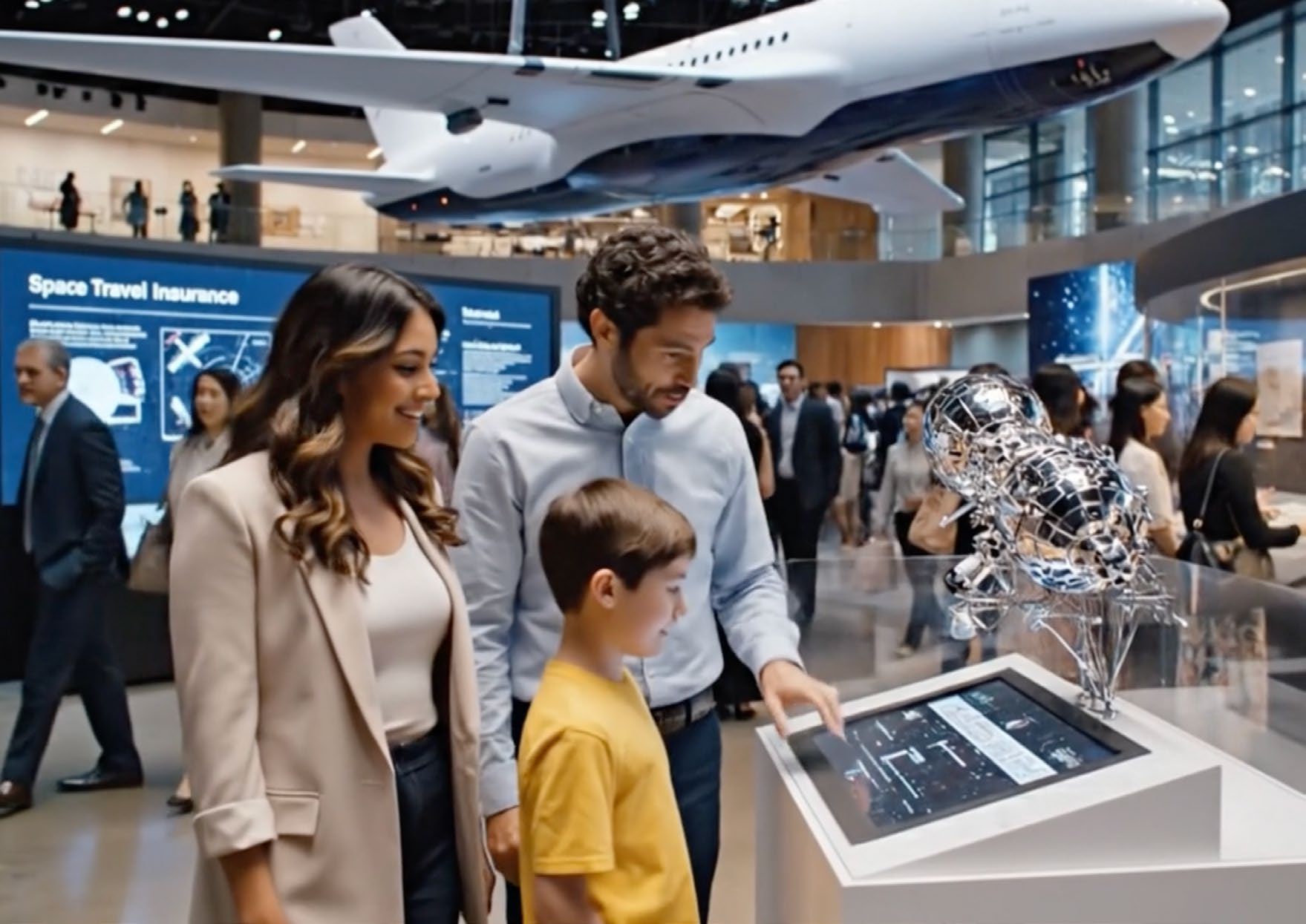
Insurance Museum exhibition concept
Bringing the world of risk to life for schools, young people and the public through exhibitions and learning.
Preserving the stories, collections and people that shaped insurance - and the world we live in.
Inspiring the next generation to discover the opportunities and meaningful careers our sector offers.
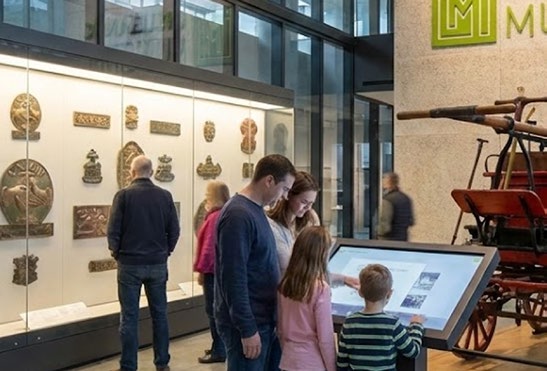
The stories behind the evolution of risk management.

The global heartland of Insurance.
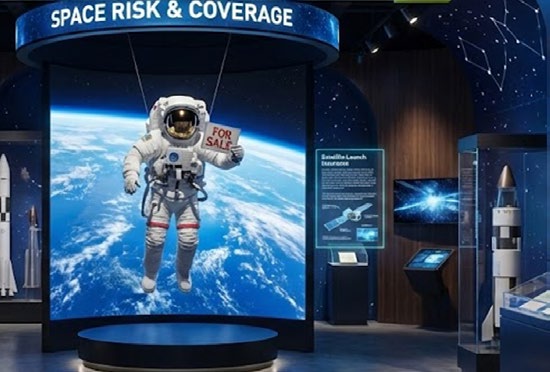
From our heritage to satellite recovery in space.
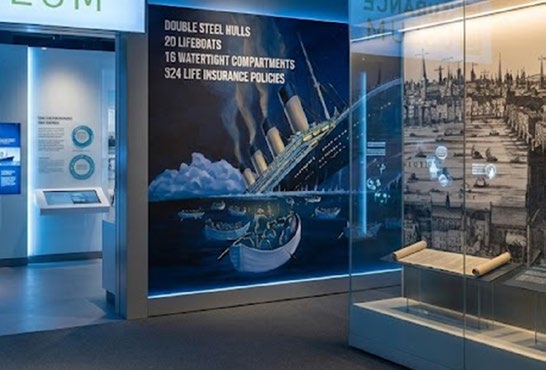
Exploring the risks that shaped maritime trade.
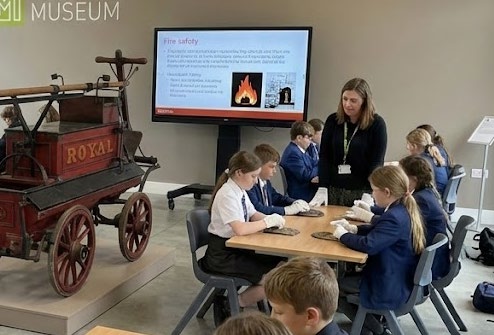
Facilities for school visits.
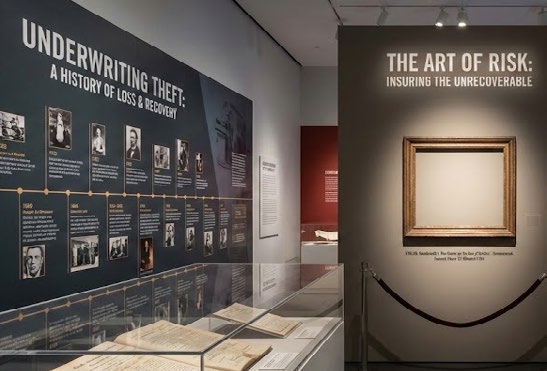
The objects and art behind our insurance heritage.
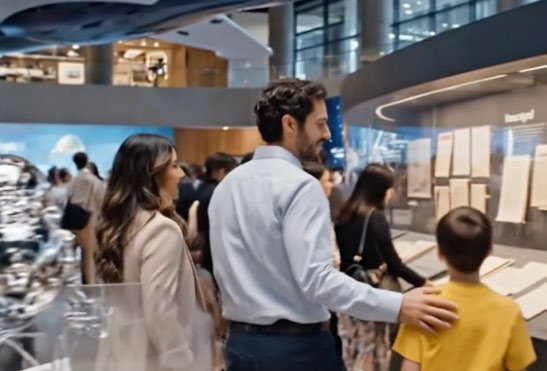
Bringing the story of risk to every generation.
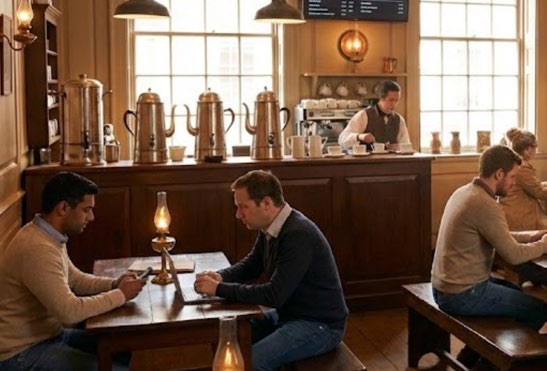
Our very own coffee house to continue traditions.
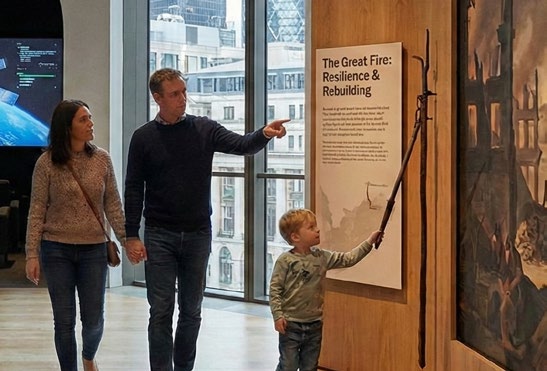
Open to the public, schools, students, business.
Let’s share the vital role our sector plays in protecting people, enabling progress and helping the world recover when it matters most.
Bringing our story to life and make the invisible, visible.
Reg Brown · IM Chairman
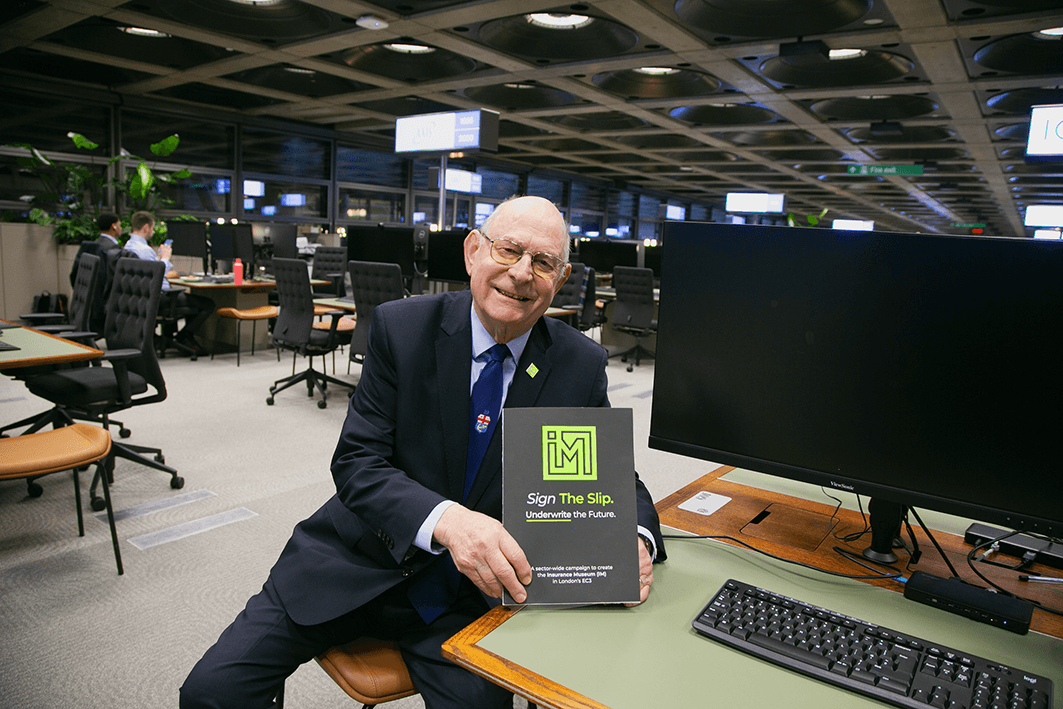
In insurance, a slip records a shared responsibility for risk. The IM Slip reimagines that tradition, inviting everyone from across the insurance sector to underwrite the Museum’s initial venue delivery.
One single donation. One introduction to someone in your network. A permanent home for our shared heritage.
Every part of the sector. One shared story.
Choose your line on The Slip. A one-off donation. A lasting contribution.
£5,000
One-off donation
600needed to reach £3m

£10,000
One-off donation
300needed to reach £3m

£25,000
One-off donation
120needed to reach £3m
£50,000
One-off donation
60needed to reach £3m
£100,000
One-off donation
30needed to reach £3m
In practice the £3m comes from a mix of levels. A few ways it adds up:
IM Founders will receive:
Permanent listing on the IM Founders’ Wall, displayed in the museum.
Recognition across social media and PR during the fundraising campaign.
IM Founder digital badge and media pack for use in your communications.
Invitations to exclusive events and more. 10% of fundraising goes towards fundraising management fees. Read the fundraising terms
“Becoming a founding donor to the Insurance Museum was an easy decision for us. Insurance has a remarkable story to tell - one that deserves to be preserved, shared, and used to inspire the next generation.”
Klaudia Sosnowska
Deputy CEO at Aspect

“We support the education theme and it’s a good opportunity to give back.”
G. Bucke
General Manager, Adrian Flux
“The Museum will encourage even more visitors to our great City and show in exciting and dynamic ways that (re)insurance is far from boring, that it underpins the global economy and that it offers meaningful, long-term careers.”
P. Cave
IM Bronze Founder
“Our industry has a remarkable history. Let’s make sure it has a permanent home. This is an important opportunity for those of us who have benefited from being part of this extraordinary industry to give something back.”
M. Robinson
Chairman at Three Rooms Club
£3m
One single donation and one introduction from each supporter. No multi-year pledges. Each signatory takes a line on The Slip with a one-off donation. When the Slip is full, it closes.
Now
1–2 yrs
With the Slip completed, the IM focuses on delivery. Venue secured in EC3. Exhibition design and fit out. National education programme developed.
From The Slip’s completion
Open
Free to enter for everyone: the public, education and business. The IM Founders’ Wall is unveiled, with every Slip signatory recognised as a Founder of the Museum.
Within 1–2 years of the Slip closing
The IM’s future will be supported by sponsors, patrons, trusts, funds, hospitality, talks, tours, events, exhibitions, membership, merchandise… and more.
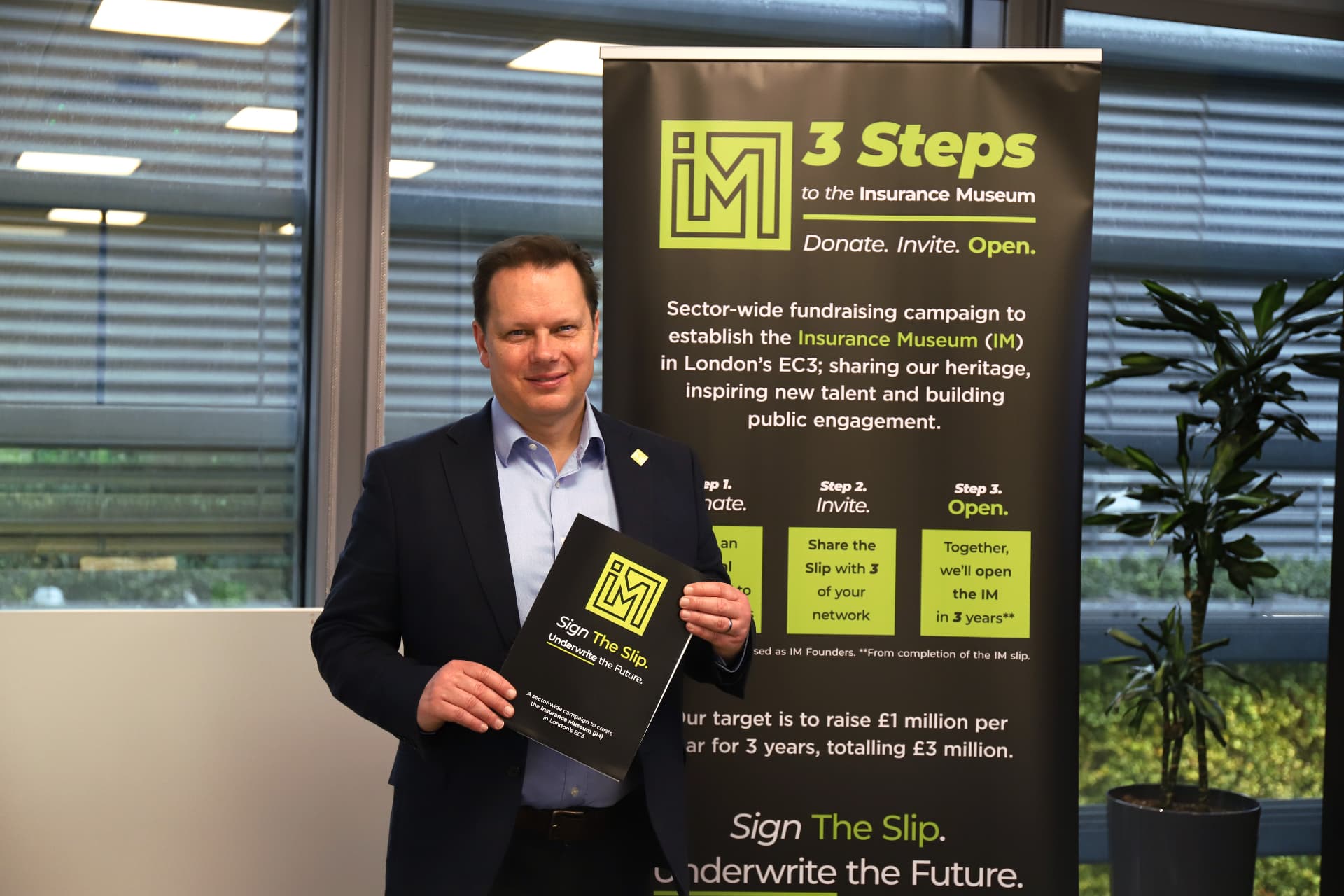
Insurance has an incredible story to tell, and for too long we’ve kept it to ourselves. Behind almost every voyage, building, invention and recovery, there’s insurance making it possible.
The Slip lets us share that story with the public, inspire future talent and build a better understanding of what our industry really does. With the market behind us, we can make it happen.
Howard Benge
IM Director · Insurance Museum Charity
Originated from a CII working party, with ongoing trustee and secretariat involvement from the sector’s professional body.
Online exhibitions exploring the global story of fire insurance, beginning after the Great Fire of London in 1666.
City of London walking tours led by the Insurance Museum Director and Fire Insurance Historian.
National Lottery Heritage Fund support secured, opening the pathway to further capital grant funding.
Community Infrastructure Levy Neighbourhood Fund support for exhibitions and young people’s engagement.
Registered on 24 February 2020 (No. 1188138), with trustees drawn from the insurance sector and City of London.
Member of the Association of Independent Museums.
Members, supporters and sponsors across the sector, alongside national, global and insurance press coverage.
After the Fire: Insurance, Finance and a Rebuilt City — an IM exhibition at the Bank of England Museum.
Our heritage. Our future. Our museum.
One donation. A lasting legacy.